Common Bird and Bat Problems in Warehouses, Factories, and Plants
Local service providers can help address common bird and bat problems in warehouses, factories, and plants by safely removing pests and preventing future infestations.
Many warehouses, factories, and plants face ongoing challenges with bird and bat problems that can impact operations and property integrity. These issues often include nesting, droppings, and entry points that allow these creatures to access indoor spaces. Property owners in the area may find it practical to explore solutions that address these common concerns, helping to maintain a clean, safe, and compliant environment. Local contractors experienced in bird and bat removal are equipped to assess the situation and implement effective strategies tailored to the unique needs of industrial properties.
Understanding the risks associated with bird and bat presence in commercial settings highlights the importance of professional assistance. These animals can cause damage, create health hazards, and disrupt daily activities if not managed properly. Service providers in the community specialize in humane removal and exclusion techniques designed to prevent future problems. Keeping reading can provide valuable insights into how local experts can help resolve these common issues efficiently and responsibly.
- Bird removal services are often needed when birds nest inside warehouses, and local contractors use humane exclusion methods to prevent future infestations.
- Bat removal services are called upon when bats roost in factory eaves or ceilings, with local pros implementing safe, effective exclusion techniques.
- Bird and bat proofing is essential for facilities experiencing ongoing issues with common bird and bat problems in warehouses, factories, and plants.
- Wildlife cleanup may be necessary after bird or bat droppings accumulate, with local service providers ensuring thorough sanitation and prevention measures.
- Pest exclusion consulting helps facility managers address persistent bird and bat problems in plants by identifying entry points and recommending effective sealing strategies.
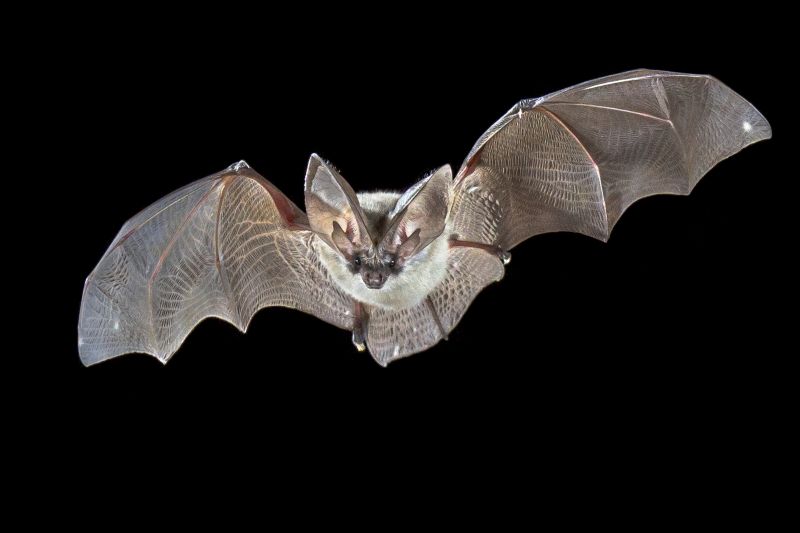
Understanding common bird and bat problems in warehouses, factories, and plants is essential for property owners and managers who face issues related to pest activity. When searching for information on this topic, people often want to identify why birds and bats are attracted to their commercial or industrial properties, what kinds of damage or health concerns they can cause, and how to effectively address these challenges. These problems typically involve large populations of birds or bats nesting or roosting in building structures, which can lead to sanitation issues, property damage, and potential safety hazards. Recognizing the signs of these issues early can help property owners determine when professional assistance is needed to prevent further complications.
The types of problems associated with bird and bat activity in these settings often revolve around their nesting habits and droppings, which can accumulate rapidly and create unsanitary conditions. Birds, such as pigeons or starlings, frequently build nests in vents, rafters, or ledges, leading to blockages or damage to building components. Bats tend to roost in dark, secluded areas like attics, ceiling voids, or behind wall panels, where their droppings can foster mold growth and cause structural deterioration. These pests can also carry diseases that pose health risks to workers and visitors. As a result, property owners often look for plans that involve exclusion methods, habitat modification, and humane removal strategies, all of which require the expertise of experienced service providers.
Properties most commonly affected by these issues include warehouses, manufacturing plants, distribution centers, and other large commercial facilities. These structures often have features that make them attractive to birds and bats, such as open eaves, high ceilings, and access points like vents or unused openings. Industrial and agricultural buildings are particularly vulnerable because their size and design create ample nesting and roosting sites. Additionally, older buildings with less maintenance or structural damage are more likely to develop bird and bat problems. Understanding the specific property type helps in selecting the right approaches and working with local contractors who specialize in bird and bat removal, ensuring that the property remains safe, sanitary, and compliant with local regulations.
For property owners dealing with common bird and bat problems in warehouses, factories, and plants, partnering with experienced service providers is a practical step toward resolving these issues. These professionals can assess the property’s unique features, identify active nesting or roosting sites, and develop customized plans to exclude pests humanely. They often use a combination of physical barriers, habitat modifications, and removal techniques tailored to the property’s needs. Connecting with local contractors who understand the specific challenges of industrial or commercial settings can help ensure that pest issues are addressed effectively, minimizing disruption and preventing future problems. Proper management of bird and bat activity ultimately protects the integrity of the property and promotes a healthier environment for workers and visitors alike.
Building Inspection Services - professionals who assess structures for entry points and vulnerabilities that attract birds and bats in industrial settings.
Pest Exclusion Projects - experts specializing in sealing and blocking access points to prevent bird and bat infestations in warehouses and factories.
Wildlife Deterrent Installations - contractors who set up physical barriers and deterrents to keep birds and bats away from commercial buildings.
Structural Repair Services - specialists who repair and reinforce areas damaged by bird and bat activity, ensuring long-term protection.
Vent and Exhaust Maintenance - providers experienced in inspecting and maintaining vents to prevent bird and bat nesting or entry in industrial facilities.
Sanitation and Cleanup Projects - service providers who safely remove bird and bat droppings to maintain hygiene and prevent damage in commercial environments.
When evaluating service providers for bird and bat removal in warehouses, factories, and plants, it is important to consider their experience with similar projects. Service providers who have a history of handling common bird and bat problems in commercial or industrial settings are more likely to understand the unique challenges these environments present. An experienced contractor will be familiar with the types of species commonly found in such structures and will have developed effective strategies for humane removal and prevention, reducing the risk of recurring issues.
Clear written expectations are essential when comparing local contractors. A reputable service provider should be able to outline the scope of work, including inspection procedures, removal techniques, and any follow-up measures. Having detailed information helps ensure that both parties are aligned on what will be done, which can prevent misunderstandings and ensure the work meets the specific needs of the facility. It also allows for better assessment of whether the contractor’s approach aligns with the severity and nature of the bird and bat problems in the particular warehouse, factory, or plant.
Reputable references and strong communication are key indicators of a reliable service provider. Asking for references from previous commercial clients can provide insights into the contractor’s track record with similar projects. Good communication throughout the process ensures that any questions or concerns are addressed promptly and clearly, facilitating a smoother experience. When comparing local contractors, it’s beneficial to prioritize those who demonstrate transparency, responsiveness, and a thorough understanding of the challenges associated with bird and bat problems in industrial environments.
Property owners often search for common bird and bat problems in warehouses, factories, and plants when they are planning practical projects around their homes and businesses. Local pros provide Bird and Bat Removal services for everyday jobs and straightforward project options.
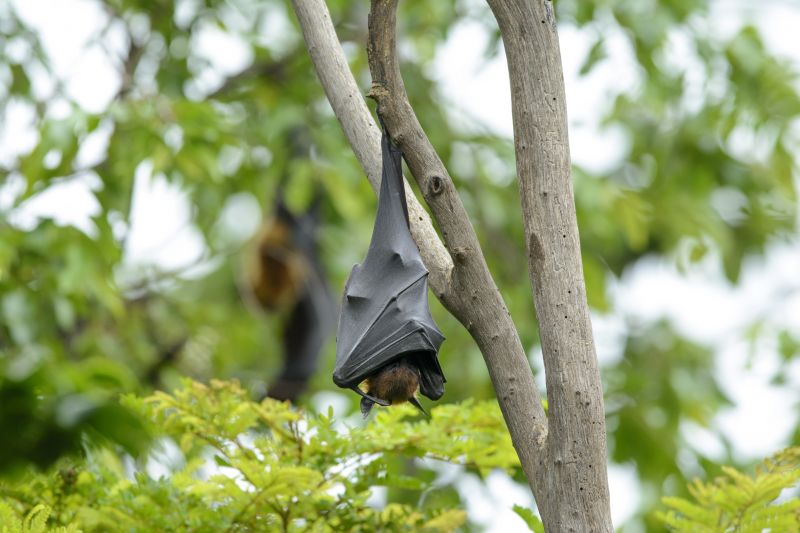
Many property owners in Warehouses, Factories, and Plants encounter common bird and bat problems that can disrupt operations and compromise building integrity. Birds and bats often seek shelter in large, open structures, especially during migration or breeding seasons, leading to issues such as nesting, droppings buildup, and noise. These problems can create health concerns due to accumulated droppings and urine, which may also damage equipment and surfaces over time. When these issues arise, local contractors specializing in bird and bat removal can assess the situation and implement effective strategies to keep these pests at bay, helping to maintain a safe and clean environment.
Property managers and facility owners might look into bird and bat removal services when noticing signs of infestation or damage around their buildings. Common indicators include visible nests, droppings in storage areas or on equipment, and sounds of bats or birds within walls or ceilings. Addressing these issues promptly with the help of experienced service providers can prevent further damage and reduce health risks. Connecting with local specialists ensures that solutions are tailored to the specific needs of warehouses, factories, and plants, providing peace of mind and a more secure working environment.
What are common bird and bat problems in warehouses, factories, and plants? These issues often include bird droppings, nesting, and bats roosting in hard-to-reach areas, which can cause sanitation and safety concerns.
How do birds and bats typically enter industrial buildings? They can enter through open doors, vents, damaged roofing, or small gaps in walls, especially if the structure is not properly sealed.
What health risks are associated with bird and bat infestations in these environments? Bird droppings and bat guano can carry diseases and bacteria, posing health hazards to employees and contaminating products or stored materials.
How can local service providers help address bird and bat problems in industrial settings? They offer removal, exclusion, and prevention services to safely remove birds and bats and block entry points to prevent future issues.
Are there effective methods to prevent birds and bats from returning after removal? Yes, local pros can install deterrents, sealing solutions, and habitat modifications to discourage future roosting and nesting in warehouses, factories, and plants.
Identify entry points - property owners can work with local contractors to locate and seal gaps or openings that allow birds and bats to enter warehouse or factory buildings.
Implement exclusion barriers - installing physical barriers such as mesh screens or netting can prevent birds and bats from roosting on ledges or inside structures.
Remove nesting sites - professionals can safely remove existing nests and recommend modifications to reduce attractants, minimizing future problems.
Establish ongoing monitoring - setting up regular inspections with local service providers helps detect and address bird and bat activity early, maintaining a pest-free environment.
If you are thinking about common bird and bat problems in warehouses, factories, and plants for a property, this guide is meant to help you understand this topic, the typical project types, and how different options might fit your plans.
When you are ready, you can use the quote form on this page to share a few details about your project. From there, local pros can review the basics and follow up with options that match what you have in mind.