Termite Tenting in Asheville, NC
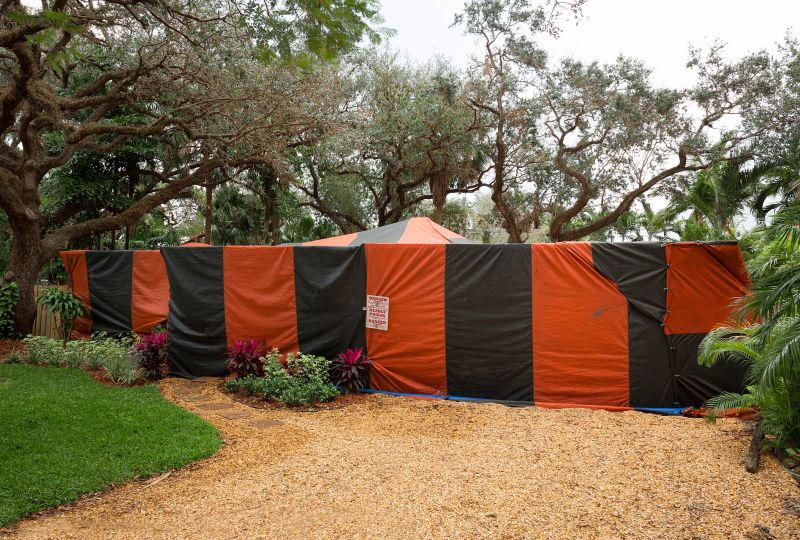
Termite tenting services involve the use of specialized equipment to treat entire structures for termite infestations. This process typically includes sealing the property in a tent and releasing a fumigant that penetrates wood, drywall, and other building materials to eliminate termites throughout the property. Projects often include homes, multi-family buildings, or commercial spaces experiencing active infestations or preventative treatments to protect against future damage.
Homeowners considering termite tenting usually want to understand the scope of the treatment, including preparation requirements and safety considerations. It is important to know that the process involves temporarily vacating the property, and that the treatment is designed to target termites comprehensively. Clarifying the types of pests covered, the duration of the treatment, and any post-treatment precautions can help property owners make informed decisions before requesting this service.
Many property owners in Asheville, NC look into Termite Tenting for repairs, replacements, upgrades, and appearance-related improvements.

Termite Tenting For Home Protection
A comprehensive solution to eliminate termites from residential properties in asheville and nearby areas.
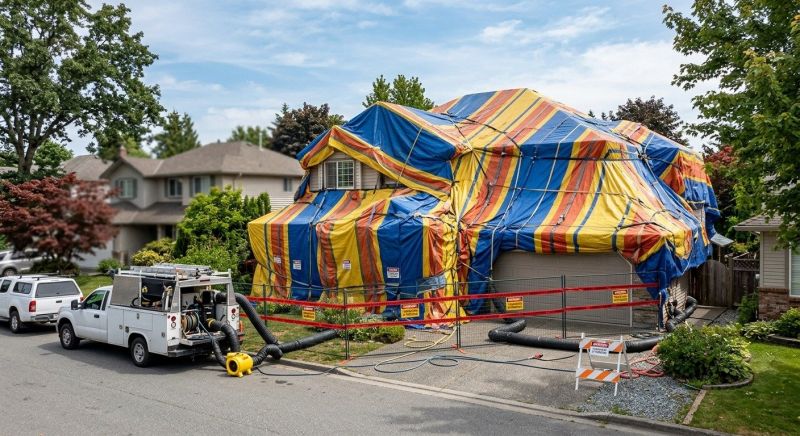
Commercial Termite Tenting Solutions
Effective treatment options for businesses and commercial buildings to prevent termite damage.
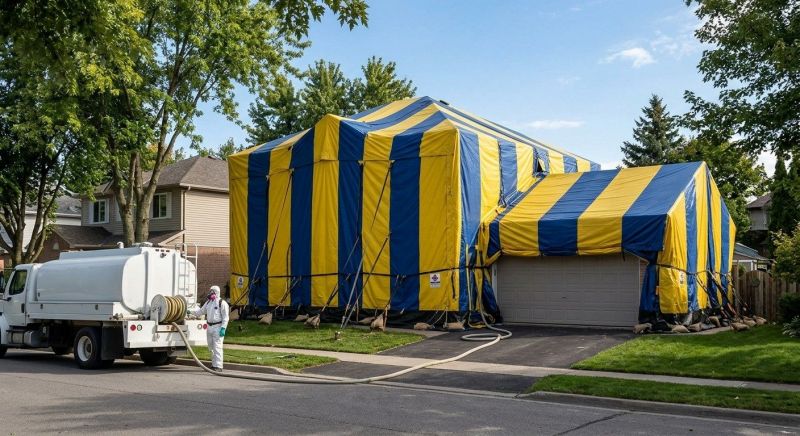
Pre-Construction Termite Treatments
Protect new constructions and renovations with targeted tenting services to ensure a termite-free environment.
Termite Tenting in Asheville, NC
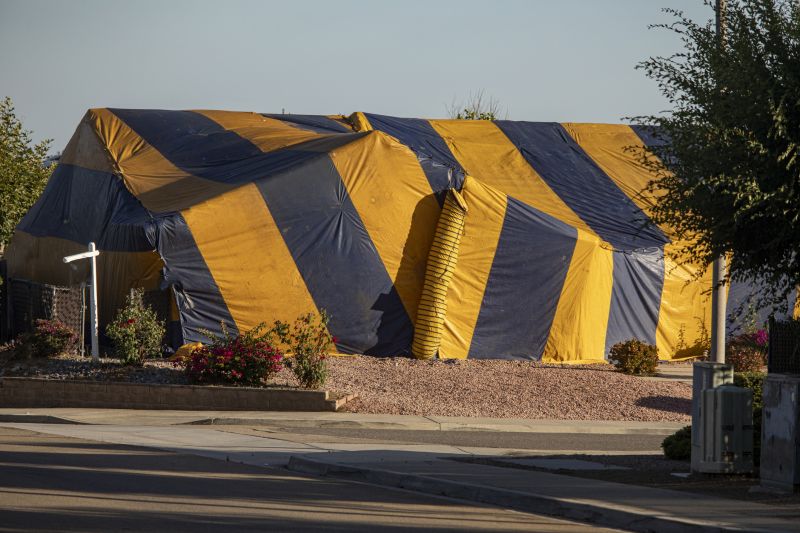
Termite tenting services involve the use of specialized equipment to treat entire structures for termite infestations. This process typically includes sealing the property in a tent and releasing a fumigant that penetrates wood, drywall, and other building materials to eliminate termites throughout the property. Projects often include homes, multi-family buildings, or commercial spaces experiencing active infestations or preventative treatments to protect against future damage.
Homeowners considering termite tenting usually want to understand the scope of the treatment, including preparation requirements and safety considerations. It is important to know that the process involves temporarily vacating the property, and that the treatment is designed to target termites comprehensively. Clarifying the types of pests covered, the duration of the treatment, and any post-treatment precautions can help property owners make informed decisions before requesting this service.
Many property owners in Asheville, NC look into Termite Tenting for repairs, replacements, upgrades, and appearance-related improvements.
Common Termite Tenting Jobs
Termite Tenting - a treatment method that involves enclosing a property to eliminate termites.
Pre-Construction Tenting - used before building or remodeling to protect new structures from termite infestation.
Existing Structure Tenting - applied to homes with active termite problems to eradicate colonies.
Infestation Prevention Tenting - provides ongoing protection for properties at risk of termite damage.
Commercial Tenting - suitable for businesses needing to protect large or multiple buildings from termites.
Real Estate Tenting - often performed during property transactions to ensure a pest-free home or building.
Termite Tenting Questions
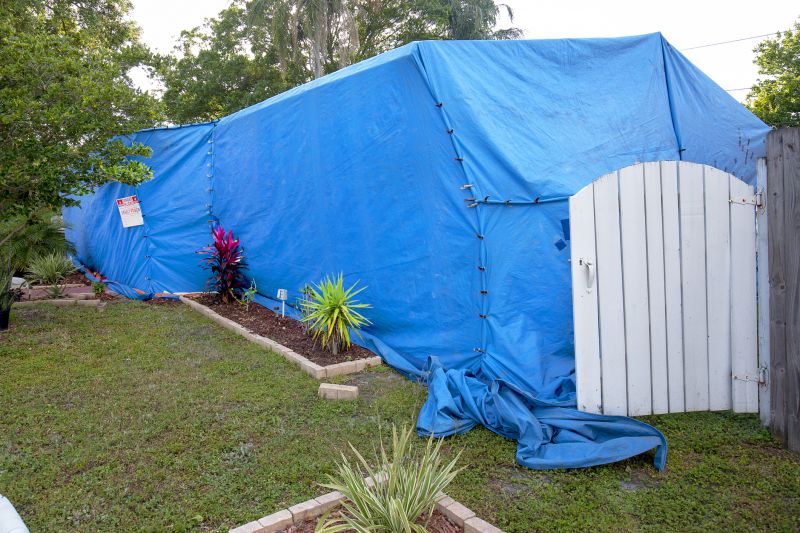
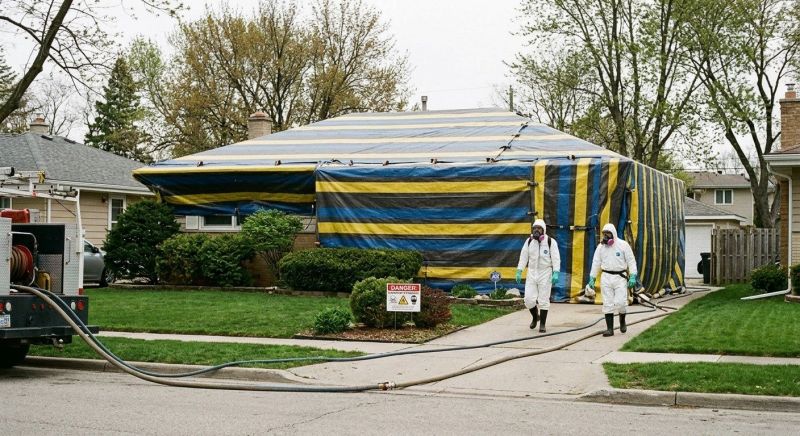
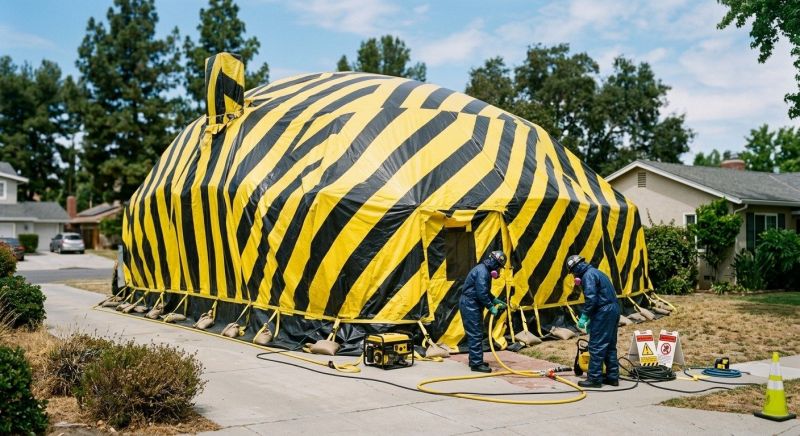
What is termite tenting? Termite tenting involves covering a property with a tent and releasing gas to eliminate termites throughout the structure.
When is termite tenting recommended? Tenting is typically used when there is a significant termite infestation that cannot be controlled with spot treatments.
Is the property safe to occupy after tenting? The property should be vacated during the treatment and for a specified period afterward to ensure safety.
What types of structures can be treated with tenting? Tenting can be used on residential homes, apartments, and other large structures with wood framing.
Request Termite Tenting in Asheville, NC
Use the quote form on this page to share the basics of your project and request more information for the type of work you need.